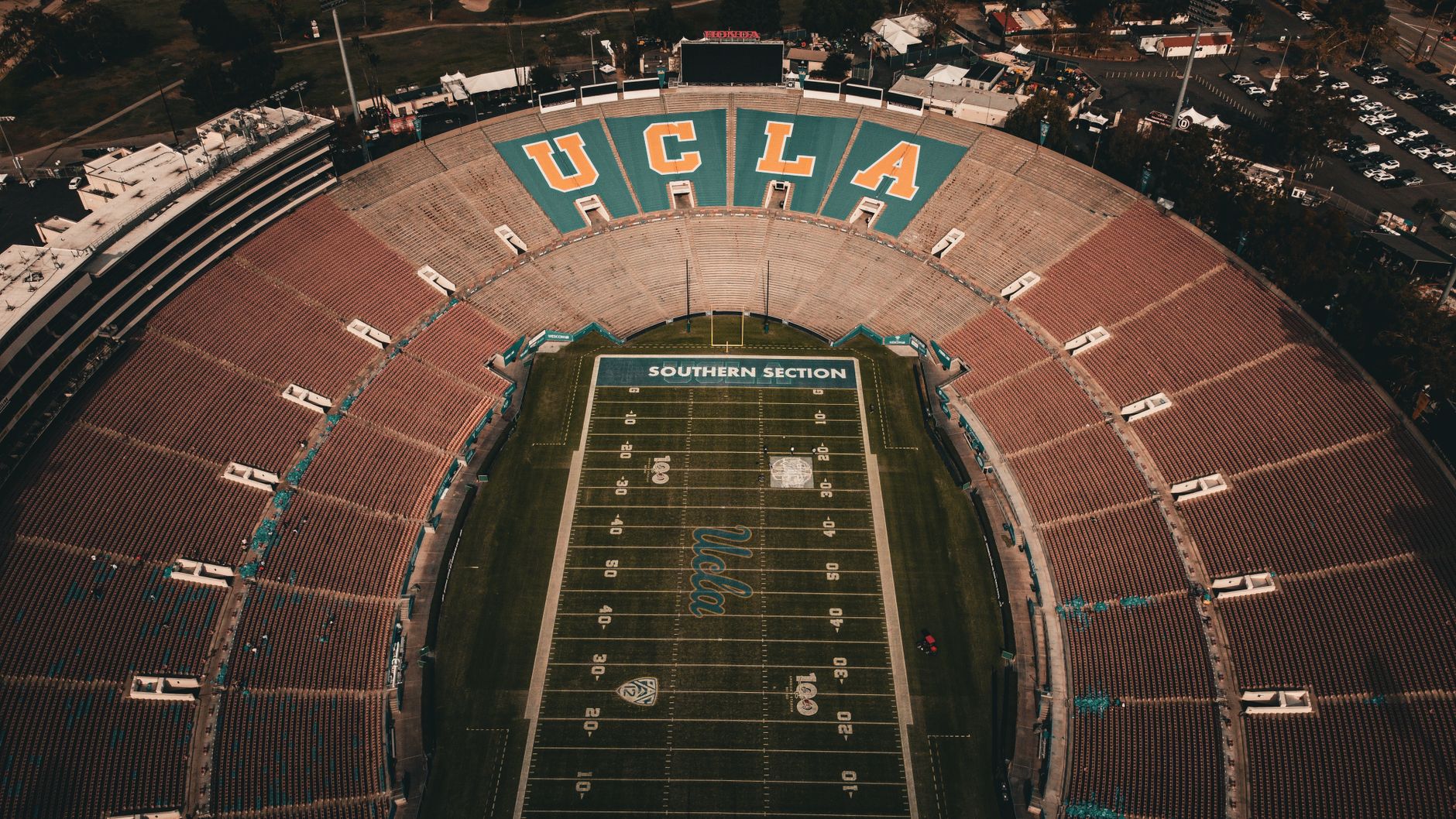
7 College Football Mistakes Bettors Make in 2026
College football in 2026 is a schedule-driven market where bettors, fans, and analysts often overvalue rankings and undervalue context. Stadium View covers this space from a betting-informed perspecti...
7 College Football Mistakes Bettors Make in 2026
College football in 2026 is a schedule-driven market where bettors, fans, and analysts often overvalue rankings and undervalue context. Stadium View covers this space from a betting-informed perspective for North American audiences, connecting college football analysis with the same tactical discipline used in FIFA World Cup coverage. The 2026 season opens across Week 1 from August 22 to September 7, includes conference calendars from the SEC, Big Ten, Big 12, ACC, American, MAC, Mountain West, Sun Belt, FCS leagues, and ends with bowls from December 13 to January 27. The College Football Playoff National Championship is scheduled for January 25, 2027, at Allegiant Stadium in Las Vegas, Nevada. The smartest takeaway is simple: before betting or projecting any team, compare schedule spots, travel, roster continuity, and market numbers instead of trusting headlines alone.
Want a sharper way to read football markets before the crowd catches up?
Photo by Caio Cezar on Pexels
The Quick Comparison
Most college football previews pretend the sport is one clean national race, but that is not how the 2026 season will be priced, watched, or won. The difference between an informed angle and a lazy pick is usually hidden in dates, venues, and incentives. ESPN’s 2026 schedule grid lists early matchups such as North Carolina vs. TCU at Aviva Stadium in Dublin, San Jose State at USC at Los Angeles Memorial Coliseum, and Jacksonville State at North Dakota State inside the Fargodome. Those are not just games; they are travel problems, broadcast windows, weather assumptions, and market traps. According to NCAA.com, the FBS postseason culminates with the CFP National Championship on January 25, 2027, at Allegiant Stadium in Las Vegas, giving every contender a long runway but also more chances to be misread.
| Mistake | What casual fans do | What sharper analysts check |
|---|---|---|
| Overrating rankings | Trust Top 25 labels | Compare schedule strength and returning production |
| Ignoring travel | Treat all neutral games equally | Study Dublin, Las Vegas, Los Angeles, and time zones |
| Chasing headlines | React to Heisman hype | Track efficiency, injuries, and usage |
| Misreading conferences | Assume SEC or Big Ten dominance | Compare matchup styles and depth |
| Betting too early | Grab opening numbers blindly | Wait for roster, weather, and injury clarity |
| Forgetting FCS impact | Dismiss FCS opponents | Watch North Dakota State-style physical tests |
| Treating bowls casually | Assume motivation is equal | Evaluate opt-outs, coaching changes, and portal moves |
[Internal Link: college football betting basics]
Round 1: Why Does Schedule Context Beat Rankings?
Schedule context beats rankings because college football teams play unequal paths, and 2026 includes extreme variables such as Dublin travel, Week 1 windows from August 22 to September 7, and playoff pressure lasting into January 2027. A No. 12 ranking without venue and opponent context is mostly decoration.
Here is the contrarian point most preseason content avoids: rankings are often better at describing brand strength than game strength. A USC home game at Los Angeles Memorial Coliseum against San Jose State is not priced the same way as North Carolina meeting TCU at Aviva Stadium in Dublin, even if both appear in Week 1 listings. The time zone, fan travel, game-week routine, and broadcast slot all change the performance environment. Bettors who only compare team names miss the practical details that shape first-quarter tempo, substitution patterns, and fourth-quarter fatigue. The Wikipedia overview of college football defines the sport as the college version of American and Canadian gridiron football, but that simple definition hides an ecosystem where geography and institutional resources matter as much as tactics.
A useful schedule review should include:
- Date range and rest gap before the game.
- Venue type, including dome, grass, turf, or overseas location.
- Conference sequence before and after the matchup.
- Broadcast time and possible body-clock disruption.
- Market movement from opener to kickoff.
See the details before making your next read on a marquee matchup.
Photo by Caio Cezar on Pexels
Round 2: How Should Bettors Read Conferences in 2026?
Bettors should read conferences as ecosystems, not labels, because the SEC, Big Ten, Big 12, ACC, Mountain West, Sun Belt, and FCS leagues create different weekly demands. In 2026, conference schedules affect fatigue, injury accumulation, public perception, and playoff positioning more than a single power rating.
The common claim is that elite conferences automatically produce better betting value. I do not buy that. Public money often inflates teams from the SEC and Big Ten because those brands dominate television windows, while teams from the MAC, Mountain West, Sun Belt, and FCS can be undervalued when they bring unusual tempo or physicality. North Dakota State, for example, has built enough national credibility that a game at the Fargodome should not be treated like a routine lower-division matchup. The NCAA’s own event language states that the “CFP National Championship” is tied to a specific venue and date, which reminds us that college football is ultimately a structured tournament race, not a weekly popularity contest.
The better approach is to grade conferences by matchup pressure. Does the league force defenses into space every week? Does it create trench-heavy games that wear down offensive lines? Does the schedule include back-to-back road trips before a rivalry? Stadium View applies similar logic when reviewing FIFA World Cup team tactics: labels like “favorite” or “underdog” are less useful than matchup mechanics. For college football, that means looking beyond conference mythology and asking whether the team’s style travels, whether its quarterback can handle third-and-long, and whether its defense has enough depth for November football.
[Internal Link: tactical matchup analysis guide]
Round 3: What Do Odds, Weather, and Venues Really Reveal?
Odds, weather, and venues reveal market assumptions, not guaranteed outcomes. A spread such as TCU -6.5 or USC -35.5 is a starting point for analysis, while locations like Aviva Stadium, Scott Stadium, the Fargodome, and Los Angeles Memorial Coliseum explain why the number exists.
This is where many bettors become either too mystical or too mechanical. They treat a point spread as a prophecy, then act shocked when a young offensive line, wind angle, or travel delay changes the game. Early listings have shown examples such as North Carolina vs. TCU with a total near 49.5 and San Jose State at USC with a total near 57.5, but totals are especially sensitive to pace, red-zone efficiency, and garbage-time scoring. A 35.5-point favorite can cover without playing clean football, while a narrow favorite overseas can win the game but lose against the spread because possessions shrink. That distinction matters more in college football than in many professional leagues because talent gaps and coaching choices vary wildly.
Two overlooked operational insights are worth keeping. First, overseas openers often reduce the usefulness of normal home-field assumptions because both teams face disrupted routines, but one program may handle logistics better due to prior bowl or international planning experience. Second, FCS road environments such as the Fargodome can compress talent gaps because crowd noise, surface familiarity, and emotional intensity show up earlier than national models expect. These are not magic angles; they are friction points. The edge comes from identifying friction before the market fully prices it.
For deeper weekly context, start with the data before trusting the narrative.

Photo by Pavel Danilyuk on Pexels
Round 4: Why Are Playoff Narratives So Misleading?
Playoff narratives are misleading because they compress a four-month season into a few dramatic talking points. The 2026 race runs from late August through bowls beginning December 13 and the CFP window ending January 27, so roster health, portal depth, and motivation change repeatedly.
The “team of destiny” storyline is especially dangerous. NCAA.com highlighted Indiana winning its first title in program history in the referenced championship coverage, and stories like that are great for fans. For bettors, however, the lesson is not to chase the next fairy tale. The lesson is to ask what actually supported the run: quarterback efficiency, defensive havoc, turnover margin, coaching stability, or a favorable path. Way-too-early Top 25 rankings and Heisman Trophy lists create attention, but attention is not edge. By September, one injury at Notre Dame, Oregon, Ohio State, Miami, Alabama State, or another high-profile program can alter futures markets faster than casual bettors react.
A practical playoff checklist looks like this:
- Does the team have two playable quarterbacks?
- Can the offensive line survive elite pass rushes?
- Are explosive plays repeatable or opponent-driven?
- Is the defense dependent on turnovers?
- Will December weather or dome conditions help the style?
- Are NFL Draft opt-outs likely before bowl season?
[Internal Link: College Football Playoff betting strategy]
The Final Score & Who Should Pick What?
The final score is that skeptical bettors should pick process over popularity, while casual fans should use rankings only as a starting map. In 2026 college football, the best decisions come from blending schedules, conferences, odds, venue conditions, and postseason incentives instead of trusting one headline metric.
If you are a fan, rankings and Heisman lists are fine entry points because they make the season easier to follow. If you are a bettor, they are not enough. You should prioritize early schedule spots, travel burdens, injury reports, market movement, and conference style clashes. If you are creating content, the winning angle is to explain why a number moved, not merely that it moved. Stadium View’s broader editorial approach, built around FIFA World Cup predictions, tactics, player stats, and tournament coverage, fits college football surprisingly well because both sports reward context-heavy analysis. Tournament pressure, tactical matchups, travel, and public perception are universal betting variables.
My refined position is simple: college football is not too chaotic to analyze, but it is too chaotic for lazy analysis. The 2026 season will punish anyone who treats a Top 25 ranking, a big brand, or a single point spread as the full story. Start with the schedule, test the market assumption, and only then decide whether the number is worth your money or your attention.
Ready to turn sharper analysis into a weekly habit?
Photo by Jack Biddinger on Pexels
Frequently Asked Questions
Q: What is college football?
A: College football is the university-level version of American gridiron football played by programs across NCAA divisions and other collegiate associations. The highest-profile level is FBS, which includes major conferences such as the SEC, Big Ten, Big 12, ACC, and others. The 2026 season includes regular-season games, conference schedules, bowl games, and the College Football Playoff.
Q: How do I start analyzing college football games?
A: Start by checking the schedule, venue, team form, injuries, and betting market before looking at rankings. For 2026, note key timing windows such as Week 1 from August 22 to September 7 and bowls from December 13 to January 27. Then compare travel, rest, conference style, and line movement before forming a pick.
Q: What is the difference between FBS and FCS college football?
A: FBS is the top NCAA football subdivision with larger programs and the College Football Playoff, while FCS has its own playoff structure and many strong regional powers. The gap is not always as large as casual fans assume, especially when FCS teams host games in difficult venues. North Dakota State at the Fargodome is a classic example of why labels alone can mislead bettors.
Q: Is betting on college football worth it?
A: Betting on college football can be worthwhile only if you use disciplined research and avoid chasing public narratives. The sport offers many inefficiencies because teams vary widely in talent, tempo, depth, and motivation. However, those same variables create risk, so bankroll limits and selective wagering are essential.
Q: Why do college football rankings fail so often?
A: Rankings fail because they often reflect reputation, preseason expectations, and brand strength more than matchup reality. A ranked team can still be overpriced if it faces poor travel conditions, injuries, or a bad stylistic matchup. In 2026, compare rankings with schedule context, market odds, and roster continuity before trusting them.
Q: How much does it cost to follow college football closely?
A: Following college football can be free if you use public schedules, NCAA updates, box scores, and team reports. Paid costs may include streaming subscriptions, data tools, betting odds services, or tickets, which vary widely by provider and market. For most fans, free sources plus a structured checklist are enough to improve analysis.
Thank you for reading.
Stadium View · Editorial Archive